
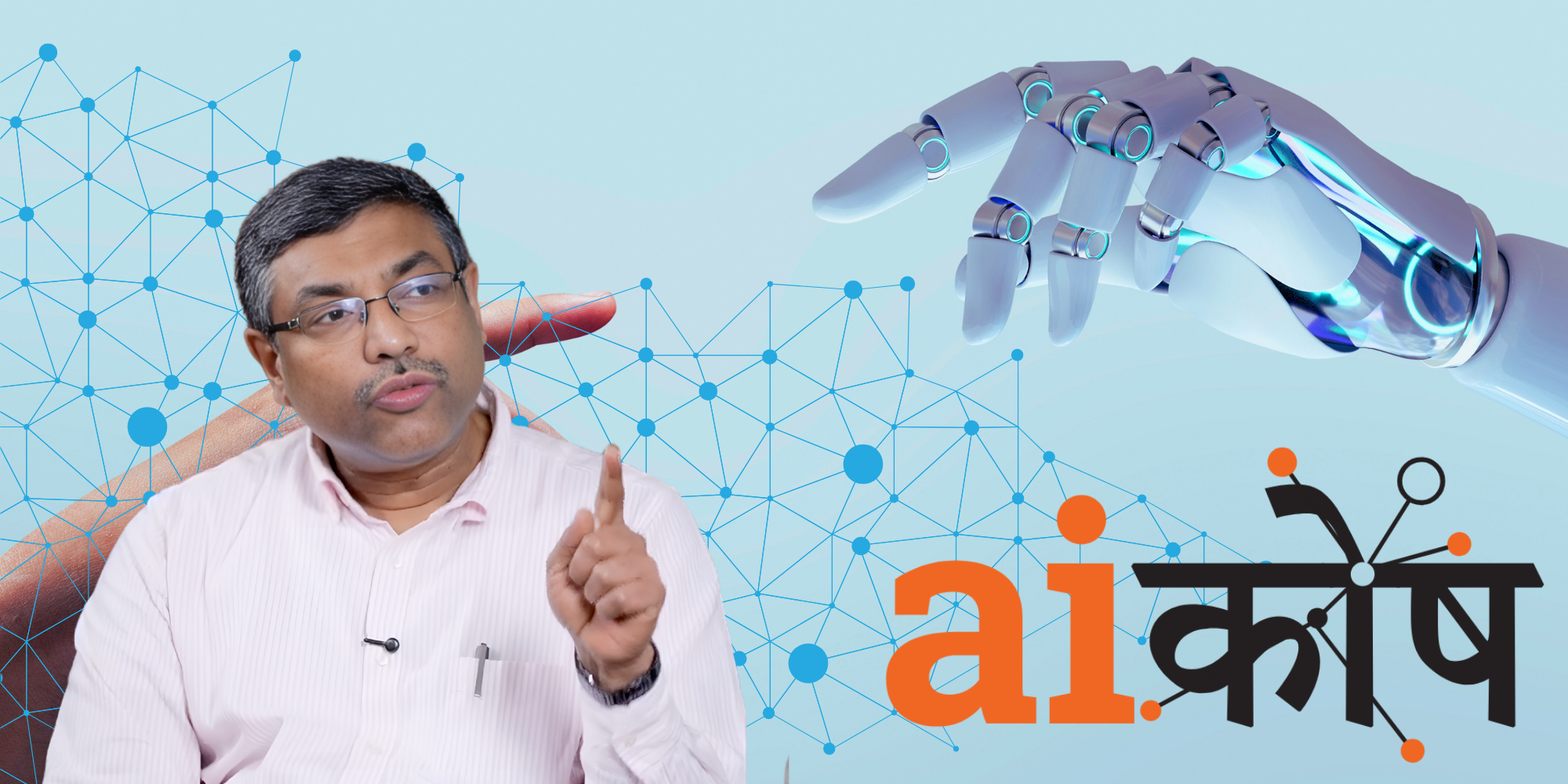
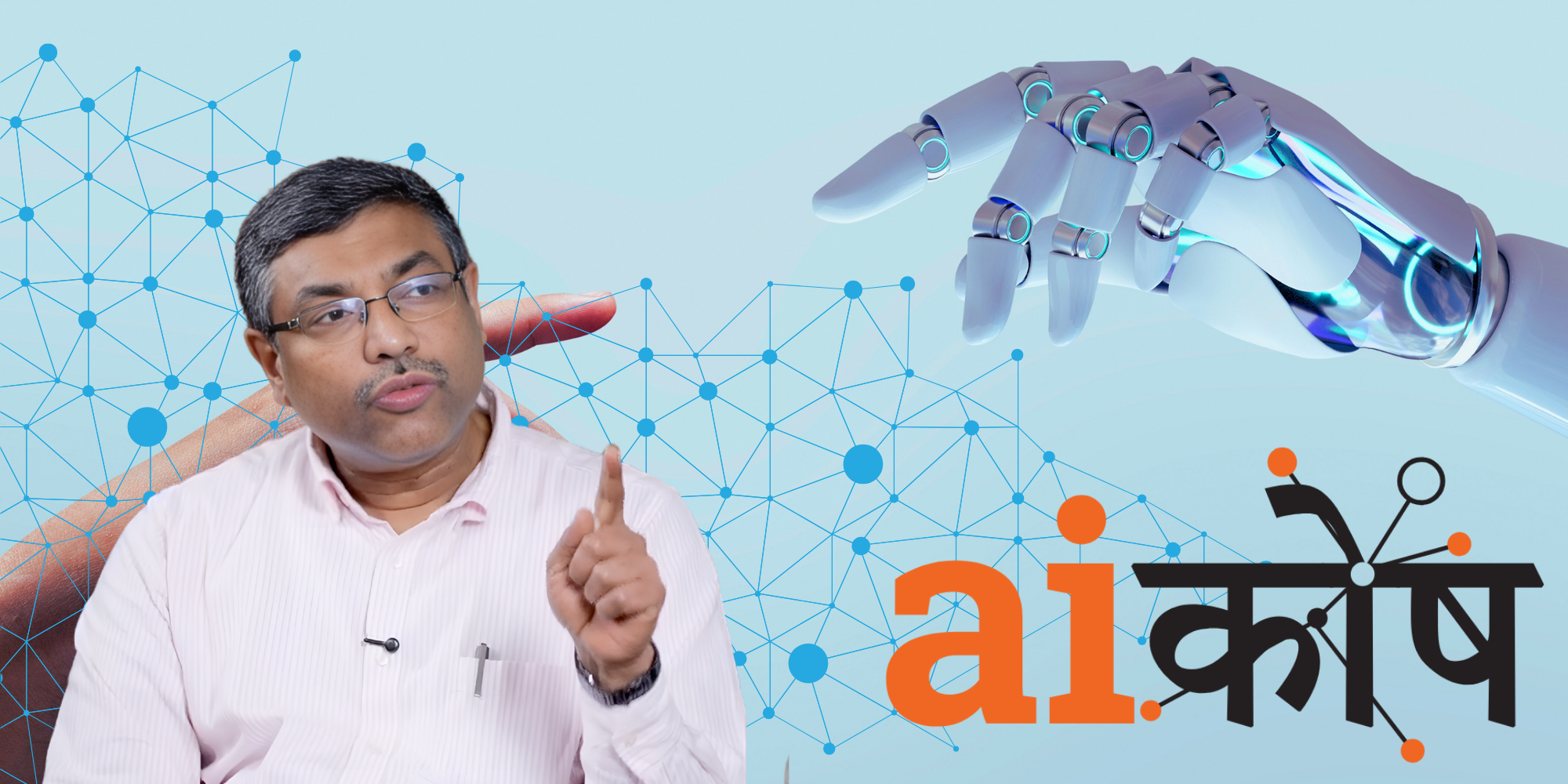
India’s AI journey is being built on the same principles that shaped its digital public infrastructure (DPI)—Aadhaar, UPI, and DigiLocker. Now, with AI Kosh surpassing 1,000 datasets, the government is extending this open-data philosophy into the world of artificial intelligence.
The platform hosts machine-readable datasets from ministries, departments, and private partners, making them freely accessible to startups, researchers, and students.
Fuel for the India AI Mission
Mr. S. Krishnan, Secretary at the Ministry of Electronics and IT (MeitY), described data as the third pillar of the India AI Mission, alongside GPUs and indigenous large language models (LLMs). Just as UPI democratised digital payments, AI Kosh aims to democratise access to training data, ensuring that Indian innovators are not locked out by prohibitive costs or fragmented sources.
By curating and centralising datasets, AI Kosh lowers barriers to entry and provides the raw material required for developing AI solutions across sectors like healthcare, agriculture, governance, and multilingual services.
Empowering small innovators, not just giants
According to Mr. Krishnan, AI Kosh is designed to level the playing field for startups, researchers, and students who previously struggled with access to quality datasets.
Much like how Aadhaar and UPI empowered fintech innovation, AI Kosh supports India-specific AI use cases, from local-language models to rural healthcare tools. He added that new datasets are being added regularly, broadening the platform’s scope across multiple domains.
A holistic AI ecosystem
The expansion of AI Kosh comes alongside India’s procurement of 38,000 GPUs and support for homegrown LLMs such as Sarvam, Gyani, Gyan, and Socket. Together, these initiatives form a holistic AI ecosystem: compute infrastructure, foundational models, and datasets working in tandem.
Mr. Krishnan highlighted that this is a “uniquely Indian model”, blending government leadership with private sector participation and academic collaboration, mirroring the successful DPI approach.
India’s open-data playbook for AI
By crossing the 1,000-dataset mark, AI Kosh signals India’s intent to replicate its DPI success in the AI era. Just as Aadhaar created an identity layer and UPI built a payments layer, AI Kosh is laying the data layer for AI innovation.
Global organisations such as the World Bank and the Bill & Melinda Gates Foundation have already recognised this as a pioneering approach. If sustained, India’s open-data philosophy could not only strengthen domestic AI innovation but also position the country as a global leader in digital public infrastructure for AI.