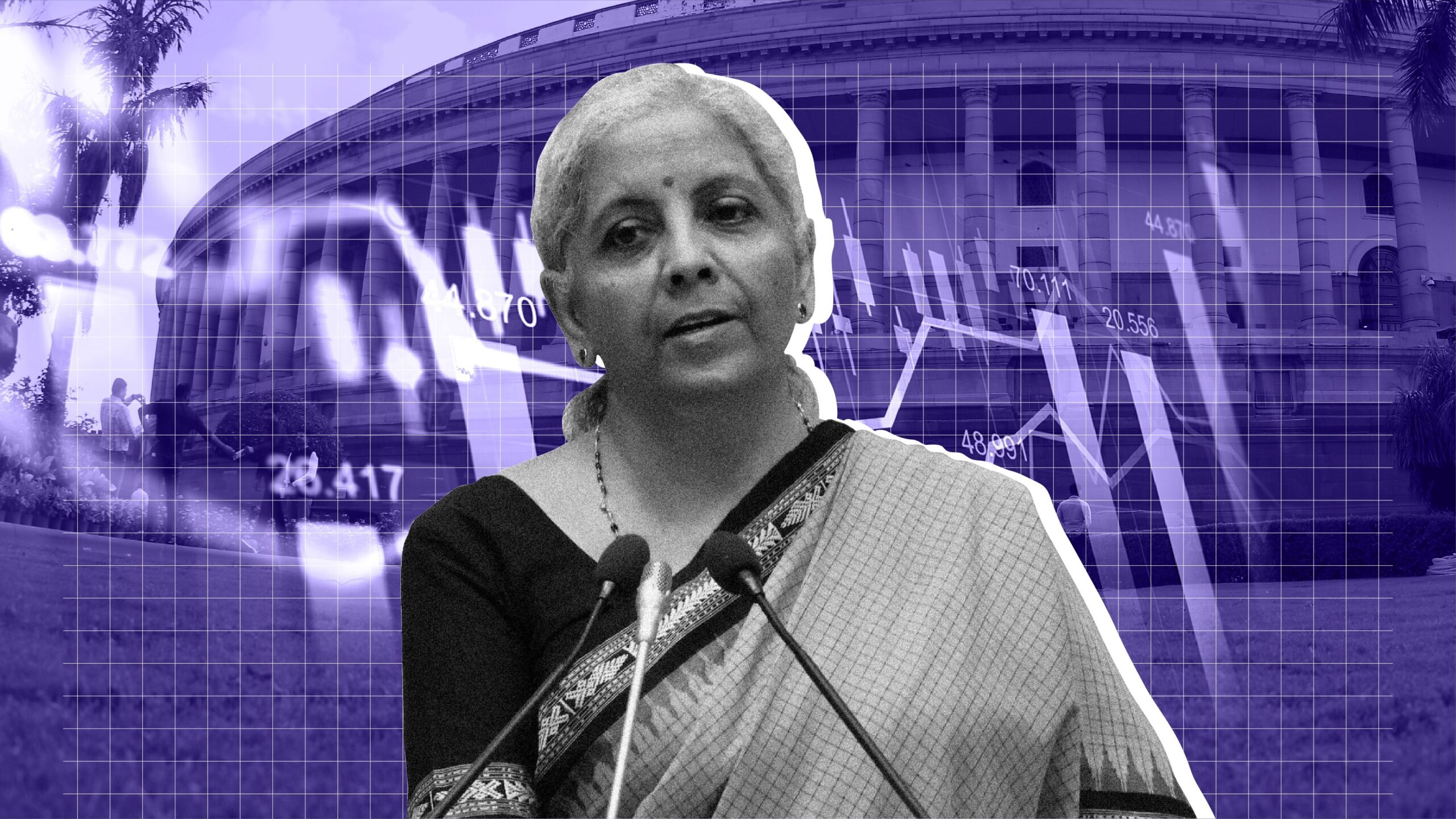
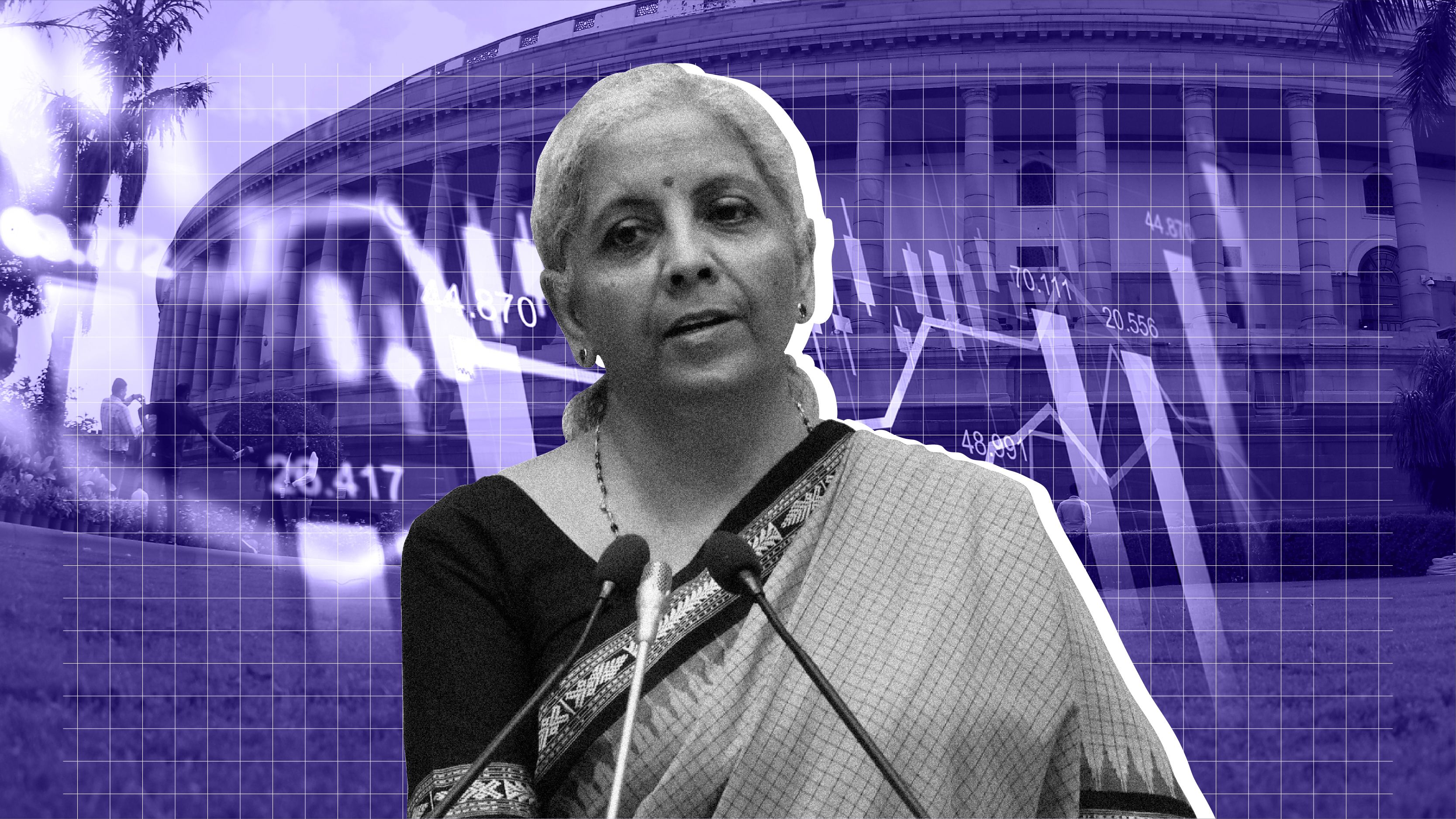
India has announced one of the most sweeping resets to its goods and services tax (GST) regime since the system’s introduction in 2017, cutting levies on a wide range of medical devices and drugs while eliminating tax on health and life insurance premiums.
At its 56th meeting on Saturday, the GST Council, chaired by Finance Minister Nirmala Sitharaman, unveiled a two-tier rate structure aimed at reducing healthcare costs and correcting long-standing duty distortions. Beginning September 22, 2025, most medical products will fall into the 5% bracket, while certain lifesaving medicines will be made entirely tax-free.
Medicines for rare diseases and advanced conditions, including Agalsidase Beta, Imiglucerase, Onasemnogene, and Eptacog alfa, will now be exempt from GST. All other essential drugs and therapies, such as those used in cancer, respiratory disorders, and autoimmune diseases, will see rates lowered to 5% from the current 12%.
The list of 5% items spans across the healthcare supply chain: anaesthetics, medical-grade oxygen, medicinal hydrogen peroxide, iodine, and diagnostic kits; surgical gloves, bandages, gauze, and dressings; blood glucose monitors and strips; occlusion devices used for heart defects; X-ray, radiography, and radiotherapy apparatus; thermometers and other medical analytical instruments; and even spectacles, contact lenses, and frames for corrective vision. Job work services for pharmaceuticals and biomedical waste treatment at hospitals and clinics will also now draw a 5% GST.
“This rationalisation addresses a major demand from domestic manufacturers who have long faced an inverted duty structure, paying 18% on inputs while finished products attracted lower rates,” Sitharaman said at a press briefing.
In a parallel move, the Council removed GST entirely on all individual health and life insurance products, including family floater plans, senior citizen covers, term life, unit-linked and endowment policies, as well as reinsurance contracts.
At present, premiums carry an 18% levy—costs that often deter households from purchasing coverage in a market where penetration remains among the lowest in Asia.
“Removing GST from health and life insurance is aimed at making protection products more affordable for the common man and boosting insurance penetration,” Sitharaman said.
“The fundamental question is whether insurance will truly become cheaper with GST reduced to zero,” said Ramesh Kannan, Partner at Somerset Indus Capital Partners. “While premiums may fall, the new rules also nullify input tax credits for insurers. If the cost savings do translate to consumers, it could unlock exponential growth—driving scale, efficiency and profitability without compromising claims. This could also spark consolidation, attract global players, and mark an inflection point for India’s insurance market,”
he added.
Edited by Megha Reddy






![Read more about the article [Funding alert] IvyCap Ventures raises $214M, closes Fund 3](http://blog.digitalsevaa.com/wp-content/uploads/2022/02/ImageBranding-Amisha17-1645620854015-300x150.png)