
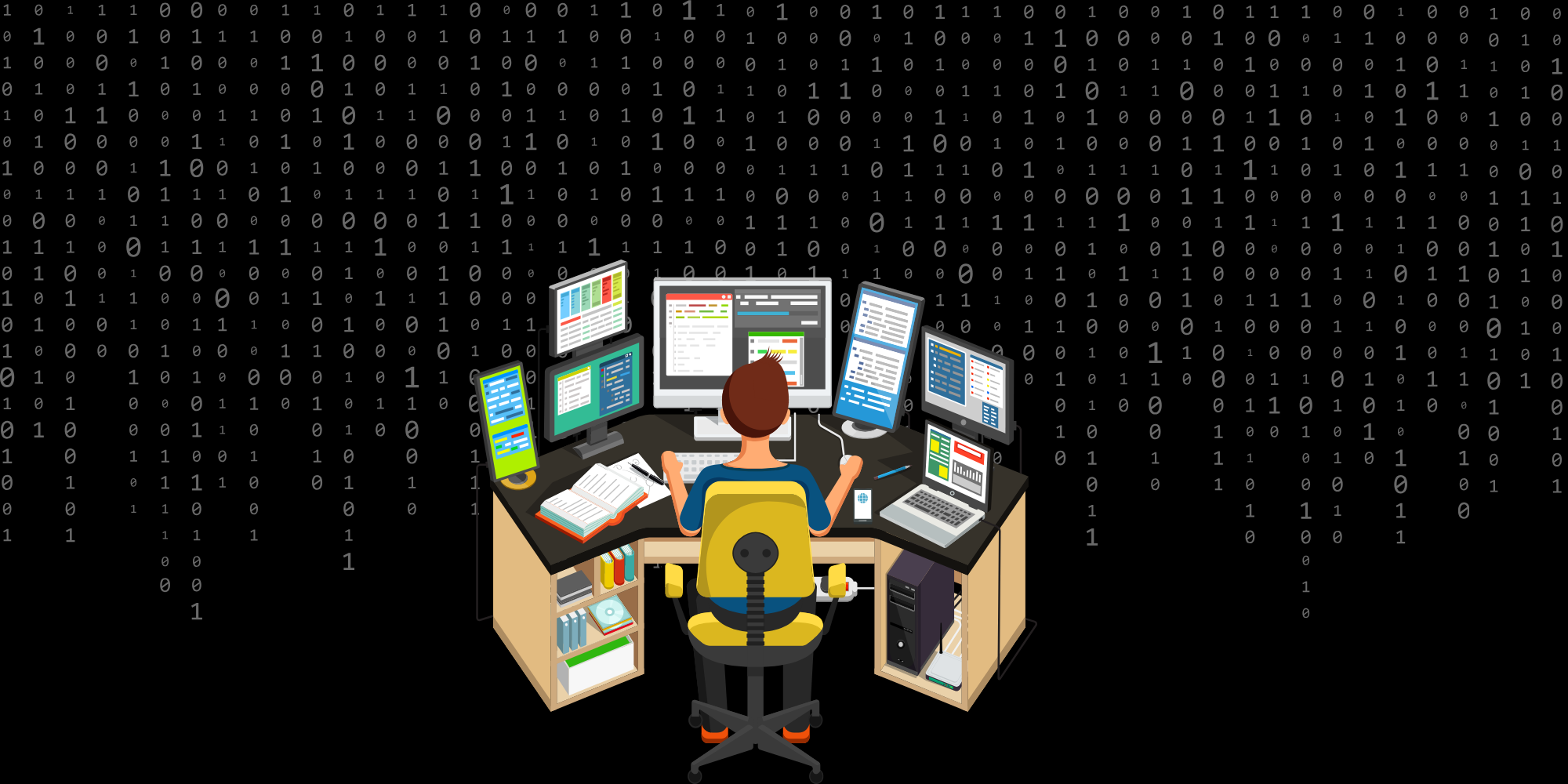
Artificial intelligence is making unprecedented strides in the field of programming, with OpenAI CEO Sam Altman predicting that AI will surpass human programmers by the end of 2025. This bold forecast highlights the rapid pace of AI development and its potential to revolutionise the software industry.
Altman’s Vision of AI Supremacy
According to Altman, AI systems are on track to reach mid-level engineering capabilities in programming by 2025. This development could enable AI to take software projects from concept to implementation independently, marking a significant milestone in AI’s evolution.
Implications for the Tech Industry
The potential for AI to outperform human programmers raises important questions about the future of software development. While AI-driven coding could accelerate technology creation, it also prompts concerns about employment in the IT sector and the need for human oversight in critical decision-making processes.
AI’s Current Capabilities in Coding
Recent advancements have already demonstrated AI’s prowess in coding tasks. Models like OpenAI’s GPT-4 have achieved remarkable accuracy rates on coding benchmarks, with a 96.3% success rate on the HumanEval benchmark[2]. This represents a significant improvement in AI’s coding abilities over a short period.
AlphaDev: A Breakthrough in Algorithm Design
DeepMind’s AlphaDev has showcased AI’s potential to surpass human expertise in specific areas of computer science. By discovering new, more efficient sorting algorithms, AlphaDev has improved upon decades of human optimization efforts, leading to a 70% improvement in sorting speed for certain data types.
The Rise of AI Agents in Programming
The development of AI agents capable of performing multi-step tasks with minimal supervision is a growing trend in the industry. These agents, which can navigate and synthesize information effectively, are poised to enhance productivity across various domains, including software development.
Challenges and Ethical Considerations
As AI systems become more advanced, concerns about their control and potential limitations arise. Issues such as the fabrication of information and the phenomenon of “hallucination” in AI need to be addressed to ensure the reliability and safety of AI-driven programming.
The Path to Artificial General Intelligence (AGI)
Altman’s prediction aligns with broader industry trends suggesting that AGI could be achieved within the next few decades. The rapid improvements in AI, fueled by advancements in machine learning and data processing power, indicate that AGI may be a reachable reality sooner than previously thought.
Economic and Societal Impact
The potential for AI to surpass human intelligence in programming and other domains raises questions about job displacement and the future of work. However, it also presents opportunities for humans to harness AI to enhance productivity and focus on higher-value tasks.
Preparing for an AI-Driven Future
As we approach this potential turning point in AI capabilities, it is crucial for industry leaders, policymakers, and the public to engage in discussions about the integration of AI into the workforce and the ethical implications of increasingly autonomous AI systems. In conclusion, Sam Altman’s prediction of AI surpassing human programmers by 2025 underscores the rapid advancement of artificial intelligence and its potential to transform the tech industry. While this development promises increased efficiency and innovation, it also necessitates careful consideration of the challenges and opportunities that lie ahead in our AI-driven future.