
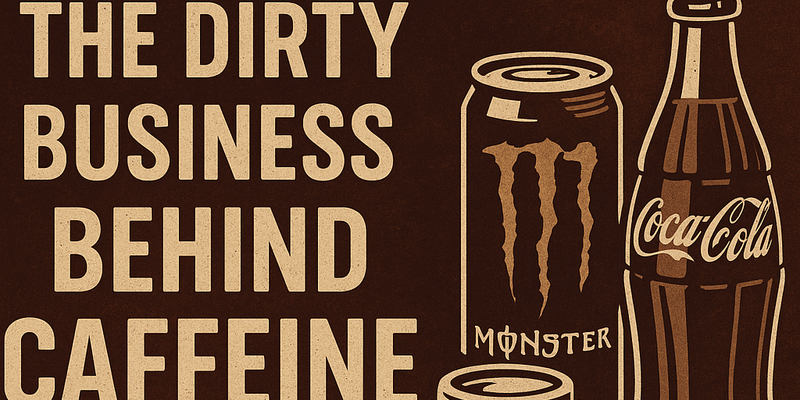
Caffeine: the world’s most widely consumed psychoactive drug. It fuels our mornings, powers our productivity, and keeps us alert during late-night study sessions. But behind that comforting cup of coffee or can of cola lies a complex and often controversial history.
A Bitter Brew: The Origins of Caffeine in Beverages
Caffeine’s journey into our daily lives began centuries ago. In the 16th century, Europeans were introduced to coffee, tea, and chocolate each containing caffeine as alternatives to alcohol, which was commonly consumed due to the poor quality of water. By the 1700s, coffeehouses had become centers of intellectual and political discourse, playing a pivotal role in the Age of Enlightenment.
Fast forward to the late 19th century, and caffeine found its way into soft drinks. John Stith Pemberton, an Atlanta pharmacist, created Coca-Cola in 1886 as a medicinal tonic. The original formula contained both cocaine from coca leaves and caffeine from kola nuts. By 1903, the company had removed the cocaine, but caffeine remained a key ingredient.
The 1909 Coca-Cola Controversy: A Legal Battle Over Caffeine
On October 20, 1909, federal agents seized a shipment of Coca-Cola syrup in East Ridge, Tennessee, leading to the landmark case United States v. Forty Barrels and Twenty Kegs of Coca-Cola. The government argued that the added caffeine made the beverage “adulterated” under the Pure Food and Drug Act of 1906. Harvey Washington Wiley, head of the Bureau of Chemistry, believed caffeine was a harmful substance, especially for children.
The case eventually reached the Supreme Court, which ruled in 1916 that the government had not proven caffeine to be toxic. However, the public outcry and media attention surrounding the trial led Coca-Cola to voluntarily reduce the caffeine content in its product. This legal battle inadvertently cemented caffeine’s status as a mainstream stimulant in American society.
Caffeine Consumption in 2025: A Global Phenomenon
Today, caffeine consumption is ubiquitous. According to recent data, 82% of U.S. adults consume at least one caffeinated beverage daily, with coffee being the most popular source. Globally, the energy drink market is booming, with the U.S. market alone projected to grow from $20.71 billion in 2024 to $41.36 billion by 2033. In India, the energy drinks market is also expanding, estimated at $0.78 billion in 2025 and expected to reach $1.01 billion by 2030.
The Hidden Dangers: Caffeine’s Impact on Health
While moderate caffeine intake can have benefits, such as improved cognitive function and reduced risk of certain diseases, excessive consumption poses health risks. High doses can lead to anxiety, insomnia, and heart palpitations. In extreme cases, caffeine toxicity can be life-threatening.
Moreover, caffeine can be addictive. Research indicates that individuals who habitually consume caffeine may develop a physical dependence, experiencing withdrawal symptoms like headaches and fatigue upon cessation.
The Role of Big Business: Marketing and Lobbying
The caffeine industry is not just about beverages; it’s big business. Companies like Coca-Cola, PepsiCo, and Red Bull have invested heavily in marketing and lobbying to promote their products. For instance, Coca-Cola’s acquisition of Monster Energy in 2015 expanded its reach in the energy drink sector. These companies often downplay the potential health risks associated with caffeine to maintain consumer demand.
In 2025, Keurig Dr Pepper reported a 10.5% increase in U.S. Refreshment Beverages sales, driven in part by strong demand for energy drinks.
The Youth Factor: Caffeine and Adolescents
One of the most concerning aspects of caffeine consumption is its prevalence among children and adolescents. In the U.S., one in three teenagers consumes energy drinks, and in Europe, two-thirds of teenagers have reported energy drink consumption.
Experts warn that excessive caffeine intake in young people can lead to behavioral issues, sleep disturbances, and increased risk of cardiovascular problems. Despite these concerns, regulatory measures to limit caffeine consumption among minors remain inconsistent.
Caffeine’s journey from a medicinal tonic to a global commodity reflects its complex role in society. While it offers benefits like enhanced alertness and cognitive function, it’s essential to be aware of its potential health risks, especially among vulnerable populations.
As consumers, it’s crucial to make informed choices about caffeine consumption. Opting for beverages with lower caffeine content, being mindful of daily intake, and considering the timing of consumption can help mitigate potential adverse effects.
In a world that often equates productivity with constant activity, it’s important to remember that rest and relaxation are vital components of well-being. So, the next time you reach for that cup of coffee or energy drink, consider the broader implications of your choice.
Edited by Rahul Bansal